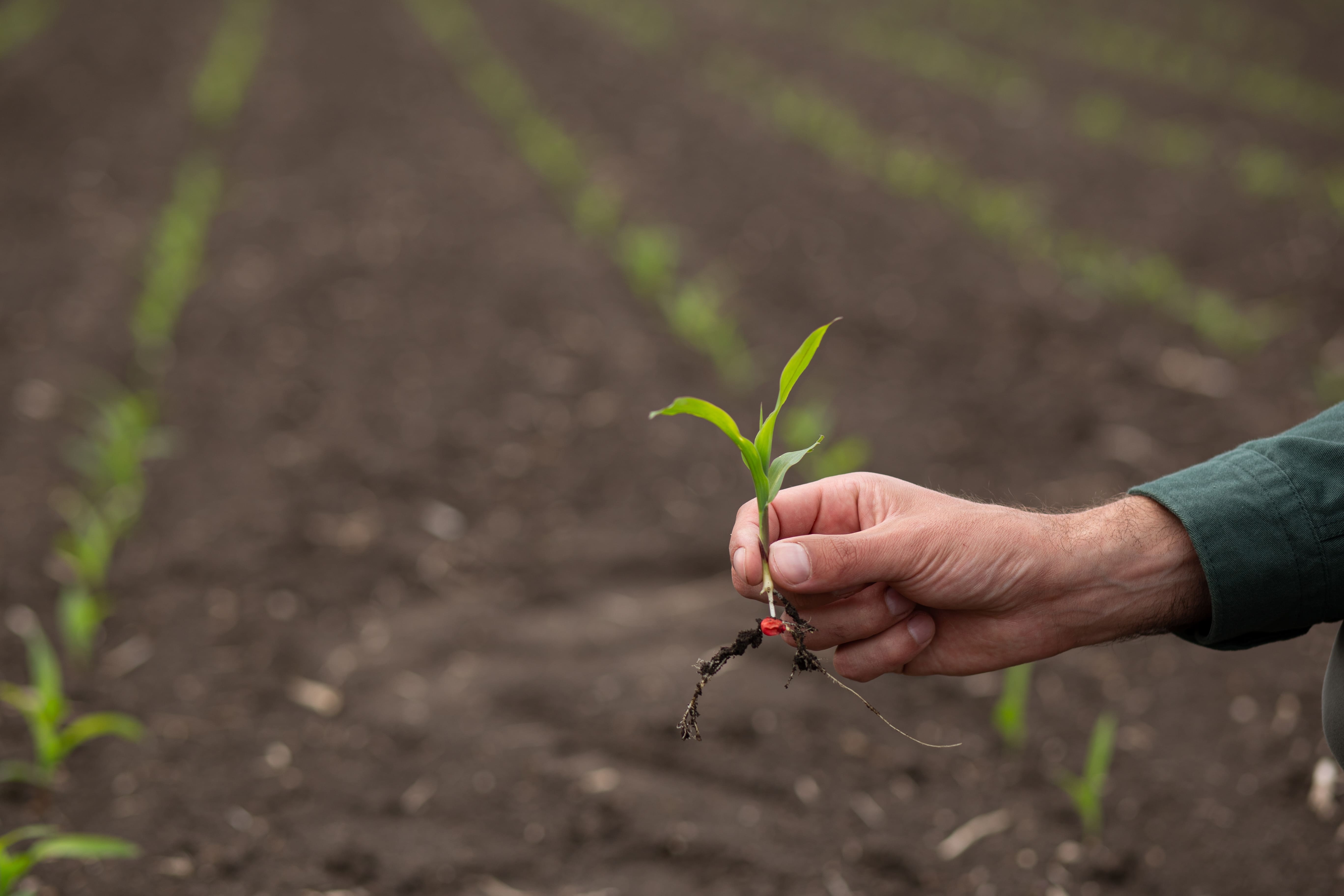
When discussing rural development, infrastructure is usually one of the first themes to emerge. Roads, irrigation systems, broadband connectivity and public services all play a critical role in supporting rural economies. Increasingly, however, innovation itself is becoming dependent on a different kind of infrastructure: one that enables new technologies to be tested, validated and adopted with confidence.
This evolution is particularly visible in agriculture, where the transition from promising digital solutions to practical deployment remains one of the sector's most significant challenges.
As World Rural Development Day highlights the factors that support thriving rural communities, it also offers an opportunity to look beyond traditional definitions of rural infrastructure and consider the systems that help innovation generate tangible value in the field.
Across Europe, artificial intelligence, robotics and advanced data-driven technologies are rapidly expanding the possibilities available to farmers and agribusinesses. From precision agriculture and autonomous machinery to intelligent monitoring systems, digital tools are increasingly positioned as part of the response to some of the sector's most pressing challenges, including sustainability, productivity and resilience. Yet technological progress alone is not enough.
Agriculture operates within highly dynamic environments shaped by weather conditions, biological processes, seasonal cycles and diverse production practices. Unlike controlled industrial settings, agricultural systems present a level of variability that makes real-world validation indispensable. A solution that performs successfully in a laboratory or demonstration environment must still prove that it can deliver consistent results in vineyards, orchards, greenhouses and open fields before it can be considered truly deployable. This is where agrifoodTEF contributes to the broader innovation landscape.
As one of Europe's Testing and Experimentation Facilities for AI and robotics in agriculture, agrifoodTEF provides companies with access to real operational environments where innovative solutions can be tested, evaluated and refined before entering the market. By supporting this critical phase of development, the project helps bridge the gap between technological potential and practical adoption.
The distinction is becoming increasingly important. Innovation is often measured by the number of new technologies emerging from research and development activities, but their long-term impact depends on something more fundamental: whether they can operate reliably under real production conditions and integrate effectively into existing farming practices.
Testing and experimentation play a central role in this process. They help generate evidence on technological performance, reduce uncertainty for potential adopters and provide developers with valuable insights into how solutions interact with complex agricultural environments. The objective extends beyond verifying whether a technology works. It involves understanding under which conditions it delivers value, where limitations may emerge and how systems can be improved before large-scale deployment.
At Trust-IT Services, supporting projects such as agrifoodTEF means contributing to the ecosystems that enable innovation to move beyond the development phase. Through communication, stakeholder engagement and community-building activities, Trust-IT helps connect technology providers, researchers, policymakers and end users, ensuring that knowledge, opportunities and results reach the wider agrifood community.
This role reflects a broader understanding of innovation. Successful digital transformation is rarely driven by technology alone. It depends on collaboration, trust and the availability of mechanisms that allow stakeholders to evaluate new solutions with confidence. Creating these connections is becoming an increasingly important component of Europe's innovation capacity.
For rural areas, the implications extend well beyond the adoption of individual technologies. Agriculture remains a cornerstone of many rural economies, supporting employment, environmental stewardship and territorial resilience. Strengthening the conditions that enable innovation therefore contributes directly to the long-term sustainability and competitiveness of rural communities themselves.
Looking ahead
As AI and robotics continue to mature, the conversation around rural development is likely to expand further. Alongside investments in physical infrastructure and connectivity, increasing attention will be given to the environments that support testing, validation and adoption.
Projects such as agrifoodTEF demonstrate that innovation requires more than breakthrough technologies. It also requires trusted pathways that allow those technologies to demonstrate their value under real-world conditions and earn the confidence of the people expected to use them.
For Europe, this represents an important shift in perspective. The future competitiveness of the agrifood sector will depend not only on the solutions being developed today, but also on the infrastructures and ecosystems that help transform innovation into everyday practice. As rural communities continue to adapt to economic, environmental and technological change, these enabling conditions may prove just as important as the technologies themselves.
Discover more about agrifoodTEF's catalogue