When we talk about habitat, we usually think of the places where people live: our towns, our cities, our homes. World Habitat Day observed every year on the first Monday of October (5 October in 2026) and led by UN-Habitat, is built around exactly that idea. It invites us to reflect on the state of our towns and cities and on the basic right of all to adequate shelter.
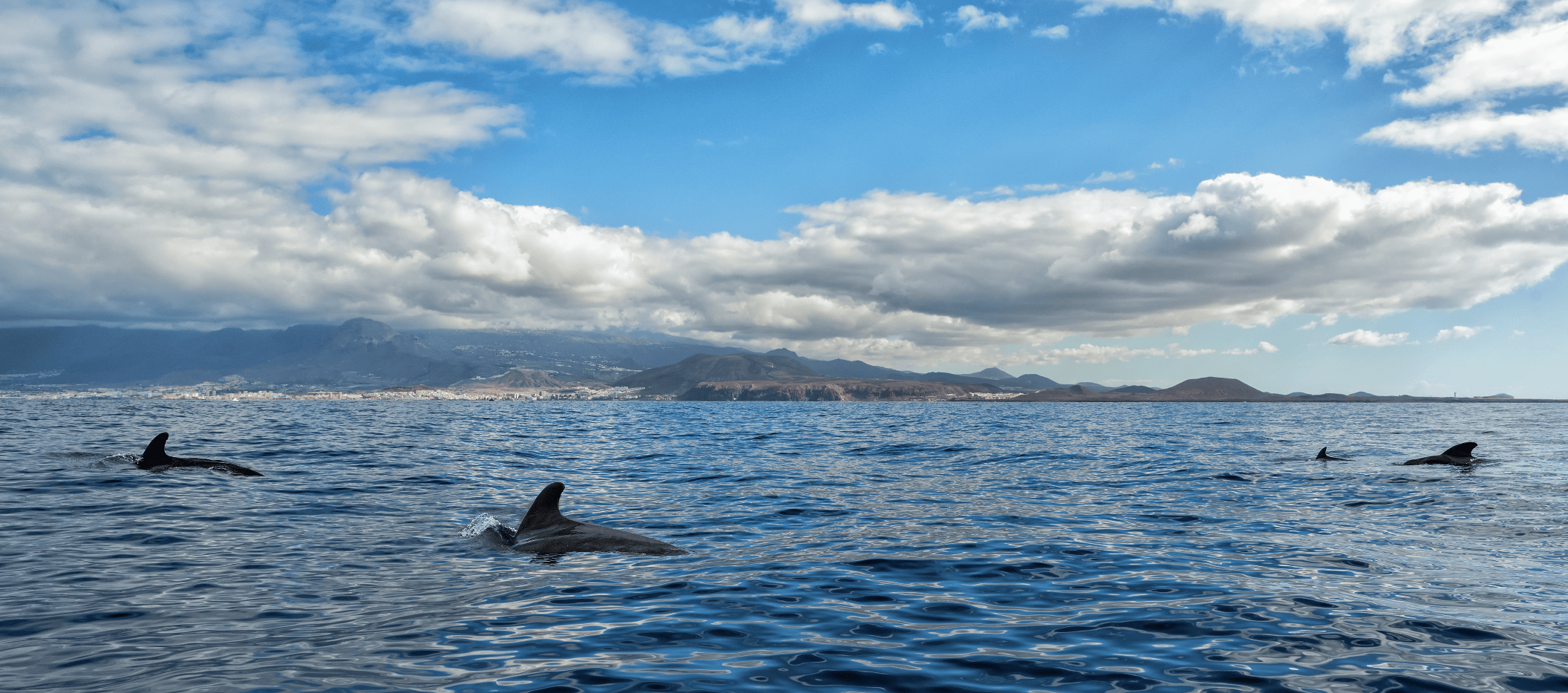
It is an important conversation. But "habitat" is a bigger word than it first appears, and it is easy to forget the largest one of all. The ocean covers 71% of the Earth's surface and, according to the Smithsonian's Ocean Portal, holds over 99% of the area that can be inhabited by life. Seen this way, our planet's main habitat is not on land at all. It is blue, deep and, for the most part, still poorly understood.
Habitats cannot be protected if we cannot see how they are changing, and for marine life that is harder than it sounds. Biodiversity data is scattered across research networks, cruises, imaging instruments and observation programmes, and much of it has remained "sleeping", collected, but not accessible or usable beyond the team that gathered it.
This is the challenge at the heart of DTO-Bioflow, a Horizon Europe project running from September 2023 to February 2027. Its full name explains the context well - Integration of biodiversity monitoring data into the Digital Twin Ocean. The project works to awaken those sleeping datasets, including plankton imaging data, and to build sustained data flows into EMODnet and EDITO, the infrastructures serving the European Digital Twin of the Ocean. In practice, this means giving the biological component of the digital twin the data it needs to represent the life of the ocean, not only its physics.
DTO-BioFlow does not protect marine habitats on its own, and it would be wrong to present it that way. Its contribution is more fundamental because it makes marine biodiversity visible, comparable and available, so that those who monitor, model and make decisions about the ocean can do so with better evidence.
At Trust-IT, habitat is a theme that runs through several of the projects we support, and DTO-BioFlow is the most prominent among them. As coordinators of its communication, dissemination and exploitation activities, we help connect data providers, researchers and the wider ocean community around a shared goal: making knowledge easier to find, understand and use.
So, on World Habitat Day, we would like to widen the picture a little. Homes and cities matter. So does the water that covers most of our planet. Understanding a habitat is the first step to caring for it, and the ocean deserves to be understood too.